Golden Hour Faces: How Warm, Earthy Palettes Took Over the American Beauty Conversation
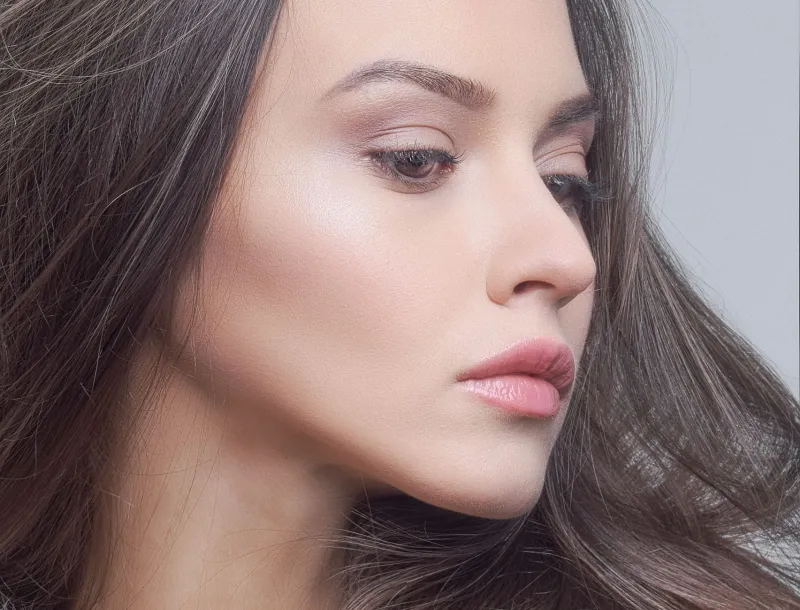
There's a moment every evening, right before the sun dips below the horizon, when everything looks a little more beautiful. Skin glows amber. Shadows turn golden. For a few minutes, the whole world looks like it was color-corrected by someone with incredible taste. That's the energy American beauty is chasing right now — and honestly? We're here for every single second of it.
Warm undertones — terracotta, burnt sienna, amber, rust, deep bronze — have quietly staged a full-on takeover at beauty counters and on social media feeds from Portland to Miami. And while trends come and go, this one feels different. It feels like something people actually want, not something they were told to want.
The Cool-Tone Hangover Is Real
For a solid stretch of the last decade, cool and neutral tones ruled the roost. Think: lavender eye shadow, dusty rose lips, and that very specific shade of greige that looked stunning on exactly three people. The Instagram face — sculpted, poreless, almost ethereal — leaned heavily into cool-toned contour and frosted highlights. It was beautiful in its way, but it was also… a lot. And it didn't work for everyone.
"There was this moment where I looked around and realized half my clients were walking out looking a little washed out," says New York-based makeup artist Dominique Hargrove. "Not because the colors were bad, but because those cool tones just weren't built for warmer complexions — and so many of us have warm complexions."
That's the thing nobody talked about enough: cool-toned trends, while gorgeous in editorial contexts, often landed differently on deeper skin tones, olive complexions, and anyone with natural warmth in their face. The shift toward warmth isn't just aesthetic — it's also corrective.
Color Theory Meets Cultural Moment
Color theory experts have a lot to say about why warm palettes feel so emotionally resonant right now. Warm hues — reds, oranges, yellows, and their earthier cousins — are physiologically stimulating. They signal energy, comfort, and vitality. After a few years of collective exhaustion, that kind of color story hits differently.
"Warm tones are inherently comforting," explains Los Angeles-based color consultant Priya Mehta. "They mimic natural light, they echo the earth, they remind people of food and warmth and belonging. In a cultural moment where a lot of people are craving authenticity and groundedness, it makes total sense that these colors are resonating."
And the cultural breadcrumbs are everywhere. The rise of cottagecore, desert aesthetics on TikTok, the continued dominance of Southwestern-inspired fashion, the explosion of global beauty influences from Latin America and West Africa — all of it is pointing in the same warm direction. When Beyoncé dropped Renaissance and then Cowboy Carter, the visual language was saturated with golden, earthy, sun-soaked tones. When Zendaya walked red carpets in terracotta and bronze, the beauty community paid attention.
Why This Trend Works Across the Skin Tone Spectrum
One of the most exciting things about the warm palette moment is how genuinely inclusive it is — and not in a performative, checkbox kind of way. Warm, earthy tones have an almost universal flattering quality across diverse complexions.
"Bronzer is probably the most democratizing product in the makeup bag," says Hargrove. "A well-formulated warm bronzer works on fair skin, medium skin, deep skin. It just works. That's rare."
Burnt sienna on a deep brown complexion is stunning. A terracotta blush on a medium olive skin tone looks like you just came back from a great vacation. Amber highlighter on a fair complexion adds warmth without looking garish. The color family is just generous in a way that a lot of trend palettes aren't.
This matters enormously for American beauty culture, which is finally — finally — reckoning with the fact that its standards and its product development have historically centered a very narrow range of skin tones. Trends that genuinely work across the spectrum feel like a small but meaningful correction.
What's Actually in People's Bags Right Now
Walk into any Sephora or Ulta on a Saturday afternoon and you'll see the evidence. Warm-toned eyeshadow palettes are flying off shelves. Terracotta blushes — both powder and cream — are backordered at multiple brands. Lip colors in brick red, warm nude, and deep cinnamon are having a serious moment.
The "clean girl" aesthetic, which dominated a couple of years ago with its cool, minimalist vibe, has evolved into something warmer and more textured. Now it's less about porcelain skin and more about glowing, sun-kissed realness. The skin looks lived-in. The cheeks look flushed from actual sunlight rather than a ring light.
Drugstore brands are responding too. Covergirl, NYX, and e.l.f. have all expanded their warm-toned offerings significantly in recent product cycles, which is always a reliable signal that a trend has moved beyond early adopters and into the mainstream.
Is This More Than a Trend?
Here's the question worth asking: is the warm palette moment just a cycle, or is it something stickier?
Mehta thinks it's the latter. "Trends that align with how people actually look in real life tend to have staying power. When a color story is flattering across diverse complexions and feels connected to something culturally meaningful, it doesn't just disappear when the next season rolls around."
There's also the social media dimension. The warm, golden aesthetic photographs beautifully in natural light — which is increasingly how people are choosing to document their lives and their looks. No ring light required. That alignment between the trend and how people actually live and share their lives gives it serious longevity.
And maybe that's the most compelling thing about this whole moment. The warm palette movement isn't asking you to transform yourself into something unrecognizable. It's asking you to lean into the warmth that's already there — in your skin, in the light around you, in the season you're actually living in.
Every face tells a story. Right now, a lot of those stories are being told in gold.